Autonomous Mobility Briefing #5 Europe’s first commercial robotaxi is heading to Zagreb. Zoox is expanding to Austin and Miami. And in Germany? Leipzig is moving autonomy into public transport.
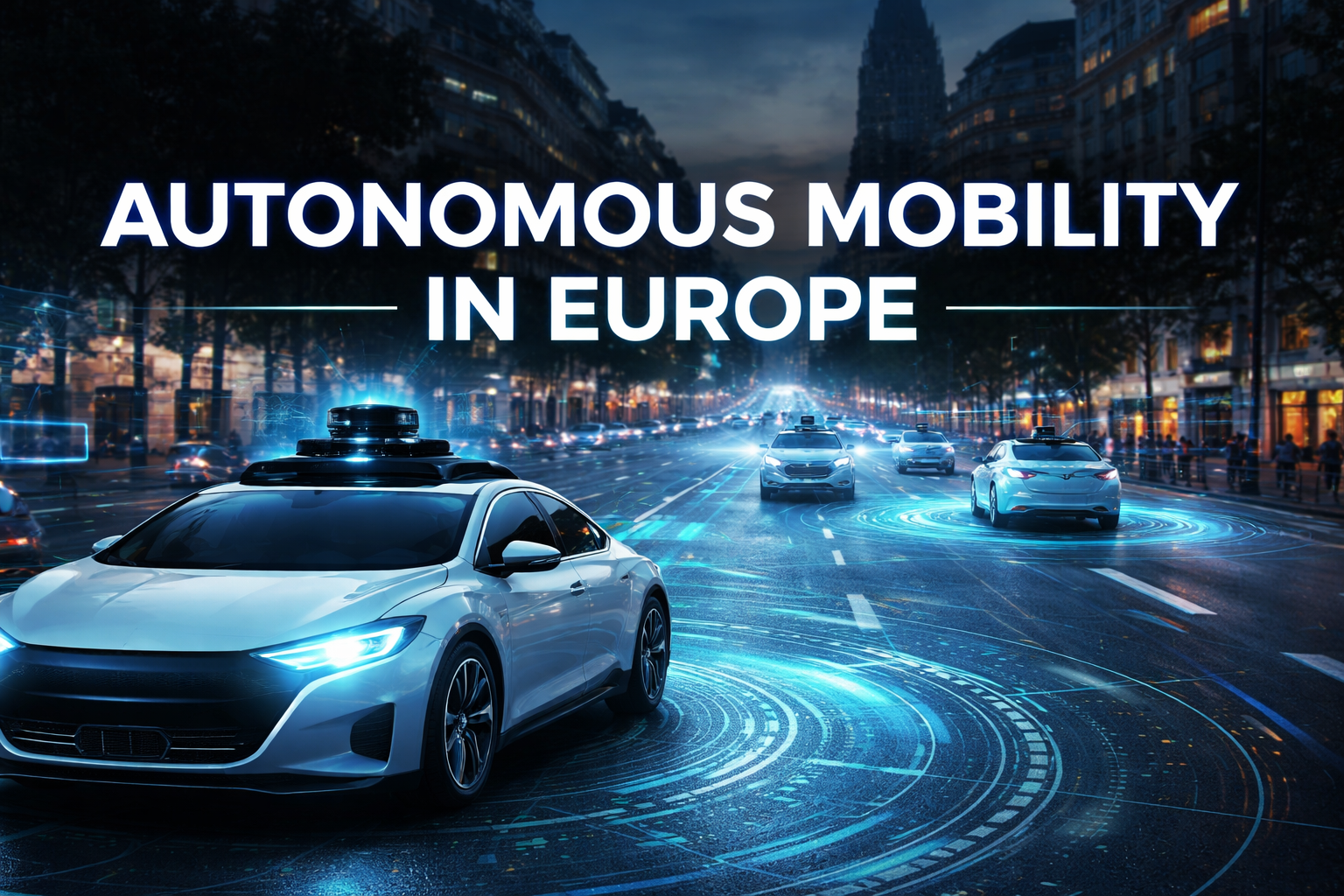
Autonomous mobility is shifting from technology demos to operating models.
The current market signal is no longer just about who has the best stack. It is about who can connect AV software, vehicle supply, platform access, operator logic and public transport integration into something that can actually run at scale. That is what the latest moves in the US, Croatia and Germany are starting to show.
Global
The clearest global signal right now is operational scale. Zoox is expanding in San Francisco and Las Vegas while deploying its robotaxi service into Austin and Miami. Pony.ai, in parallel, says it aims to expand to more than 20 cities globally in 2026 with a fleet target of over 3,000 robotaxis. This is no longer a pure R&D story. It is a deployment story.
What matters is the pattern behind these moves: city rollout, fleet density, operating control and repeatability across markets are becoming more important than isolated technology claims. The market is moving toward scale discipline.
Sources: Zoox service expansion · Pony.ai 2026 roadmap
Europe
Europe now has a more concrete commercial robotaxi signal than it had only days ago. Uber, Pony.ai and Verne want to launch what they describe as Europe’s first commercial robotaxi service in Zagreb. The structure is revealing: Pony.ai provides the AV system, Verne runs the fleet, and Uber controls customer access through its platform.
That matters because Europe may still be slower on approvals and rollout speed than the US or China, but the real test here is different: which operator model can survive European regulatory complexity and still become commercially workable. Zagreb is therefore more than a local launch. It is a test of European service logic.
Sources: Uber / Verne / Pony.ai announcement · Euronews coverage
Germany
Germany’s signal is different. It is less headline-driven and more institutional. In Leipzig, the SIAS-ÖV project is positioning the city as a model region for autonomous public transport. The project brings together Leipziger Verkehrsbetriebe, IAV, TU Dresden and eVersum to develop Level 4 shuttle operations within public transport structures.
This is important because it reflects a specifically German path into autonomy: less show, more regulated integration. Germany’s practical contribution to the next phase of autonomous mobility may come less from flashy urban robotaxi launches and more from public-transport-linked autonomous shuttle systems with institutional backing.
Sources: Leipzig becomes model region for autonomous public transport · Saxony media service
Public Transport
Public transport is no longer a side topic in autonomous mobility. It is becoming one of the most serious real-world test fields. UITP’s new Mobility Hubs Platform shows how strongly the sector is now focused on integration, governance, first- and last-mile connectivity and operating responsibility.
At the same time, Mobility Move in Berlin has made autonomous driving in public transport a visible core topic. That matters because autonomous mobility in Europe is unlikely to scale only through premium robotaxi branding. It will also scale through network integration, municipal logic, interchanges and demand-responsive service models that fit public transport realities.
Sources: UITP Mobility Hubs Platform · Mobility Move 2026 · VDV Congress on future autonomous driving
Bottom line
Autonomous mobility is entering a more serious phase.
The next winners will not be defined only by software quality or bold messaging. They will be defined by how well they combine platform access, fleet operations, regulation and public transport fit into a scalable operating system. That is where the market is moving now.
Europas erster kommerzieller Robotaxi-Dienst startet in Zagreb. Zoox expandiert nach Austin und Miami. Und in Deutschland? Leipzig bringt Autonomie in den ÖPNV.
Autonome Mobilität verschiebt sich von Technikdemos zu Betriebsmodellen.
Das aktuelle Marktsignal dreht sich nicht mehr nur darum, wer den besten Stack hat. Es geht darum, wer AV-Software, Fahrzeugzugang, Plattform, Betreiberlogik und ÖPNV-Integration zu einem System verbinden kann, das im Alltag wirklich funktioniert. Genau das zeigen die aktuellen Schritte in den USA, in Kroatien und in Deutschland.
Global
Das klarste globale Signal ist derzeit operative Skalierung. Zoox baut seinen Dienst in San Francisco und Las Vegas aus und bringt seine Robotaxis nach Austin und Miami. Parallel dazu will Pony.ai 2026 in mehr als 20 Städten aktiv sein und die eigene Flotte auf über 3.000 Robotaxis ausbauen. Das ist keine reine Entwicklungsstory mehr. Das ist eine Rollout-Story.
Entscheidend ist das Muster dahinter: Stadtauswahl, Flottendichte, Betriebsstabilität und Wiederholbarkeit über mehrere Märkte hinweg werden wichtiger als isolierte Technologieversprechen. Der Markt bewegt sich in Richtung Skalierungsdisziplin.
Quellen: Zoox Service-Expansion · Pony.ai Roadmap 2026
Europa
Europa hat jetzt ein deutlich konkreteres kommerzielles Robotaxi-Signal als noch vor wenigen Tagen. Uber, Pony.ai und Verne wollen in Zagreb den ersten kommerziellen Robotaxi-Dienst Europas starten. Die Struktur ist aufschlussreich: Pony.ai liefert das AV-System, Verne betreibt die Flotte und Uber kontrolliert den Kundenzugang über seine Plattform.
Das ist relevant, weil Europa zwar weiter langsamer ist als die USA oder China, die eigentliche Frage aber inzwischen anders lautet: Welches Betriebsmodell hält europäische Regulierung und urbane Komplexität tatsächlich aus. Zagreb ist deshalb mehr als ein lokaler Start. Es ist ein Testfall für europäische Service-Logik.
Quellen: Uber / Verne / Pony.ai Ankündigung · Euronews-Bericht
Deutschland
Das deutsche Signal ist anders. Es ist weniger Schlagzeile und mehr Institution. Mit dem Projekt SIAS-ÖV wird Leipzig zur Modellregion für autonomen öffentlichen Verkehr. Beteiligt sind die Leipziger Verkehrsbetriebe, IAV, die TU Dresden und eVersum. Ziel ist die Entwicklung von Level-4-Shuttles innerhalb bestehender ÖPNV-Strukturen.
Genau das ist wichtig, weil es einen typisch deutschen Einstiegspfad zeigt: weniger Show, mehr regulierte Integration. Deutschlands praktischer Beitrag zur nächsten Phase autonomer Mobilität könnte deshalb eher aus ÖPNV-nahen Shuttle-Systemen mit institutioneller Rückendeckung kommen als aus spektakulären urbanen Robotaxi-Launches.
Quellen: Leipzig wird Modellregion für autonomen ÖPNV · Medienservice Sachsen
ÖPNV / Öffentlicher Verkehr
Der öffentliche Verkehr ist in der autonomen Mobilität kein Nebenthema mehr. Er wird zu einem der ernsthaftesten realen Einsatzfelder. Die neue Mobility Hubs Platform der UITP zeigt, wie stark der Sektor inzwischen auf Integration, Governance, erste und letzte Meile und laufende Betriebsverantwortung schaut.
Gleichzeitig hat die Mobility Move in Berlin autonomes Fahren im ÖPNV als sichtbares Kernthema gesetzt. Das ist wichtig, weil autonome Mobilität in Europa nicht nur über Premium-Robotaxis skalieren wird. Sie wird auch über Netzintegration, kommunale Logik, Umsteigepunkte und On-Demand-Modelle wachsen, die zur Realität des öffentlichen Verkehrs passen.
Quellen: UITP Mobility Hubs Platform · Mobility Move 2026 · VDV-Zukunftskongress Autonomes Fahren im ÖPNV
Fazit
Autonome Mobilität tritt in eine ernstere Phase ein.
Die nächsten Gewinner werden nicht nur über Softwarequalität oder starke Botschaften definiert. Entscheidend wird, wer Plattformzugang, Flottenbetrieb, Regulierung und ÖPNV-Fit in ein skalierbares Betriebssystem übersetzen kann. Genau dorthin verschiebt sich der Markt gerade.
Thorsten Besendahl
Autonomous Mobility Briefing
Independent insights on robotaxi scaling, regulation and fleet economics in Europe.
Newsletter: Subscribe here
LinkedIn: Thorsten Besendahl