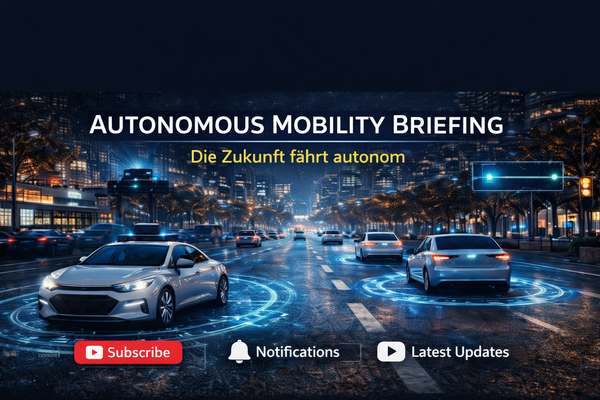
Autonomous Mobility Briefing #7
English version first
Deutsche Version below
The rollout is real. The weak point is operations. But the real story is not just better software.
It is rollout, approvals, fleet operations and operational stability.
My first new video explains autonomous driving in a short and accessible way without jargon.
The second looks at why 500,000 paid rides per week at Waymo and 3.4 million driverless rides in one quarter at Baidu mean the robotaxi market is moving out of the demo phase and into commercial reality.
GLOBAL
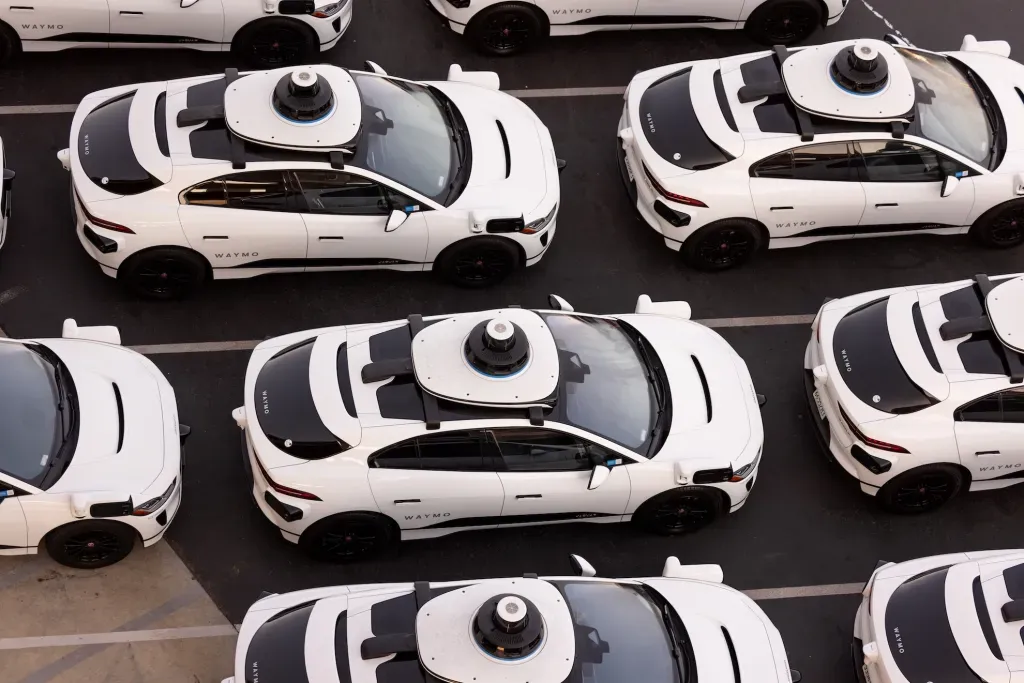
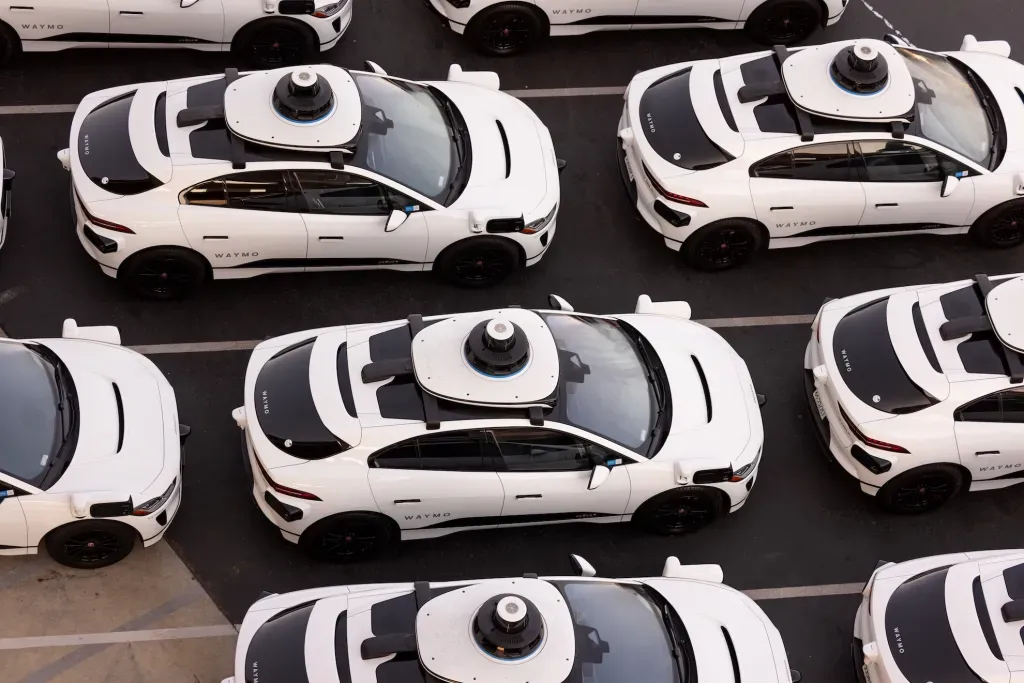
Waymo keeps expanding. Now the market wants proof that scale holds.
Waymo has opened robotaxi service in Nashville with Lyft. That matters because the market is no longer debating whether autonomous ride-hailing can exist at all. The real question now is whether operators can expand city by city without losing reliability, quality and operational control.
Source: https://techcrunch.com/2026/04/07/waymo-opens-robotaxi-service-in-nashville-partners-with-lyft/
China shows the hard truth: big fleets can still fail fast.
A system failure in Wuhan reportedly left more than 100 Baidu Apollo Go robotaxis stalled on the road. No injuries were reported. But the signal is clear: scale alone is not enough. Operational resilience is now part of the competitive test.
EUROPE
Tesla got a European green light. But the driver still carries the risk.
Dutch regulators have approved Tesla’s FSD Supervised for highways and city streets in the Netherlands, the first such approval in Europe after more than 18 months of testing. That is a real regulatory step. But it is still supervised driving. The human remains legally responsible.
GERMANY
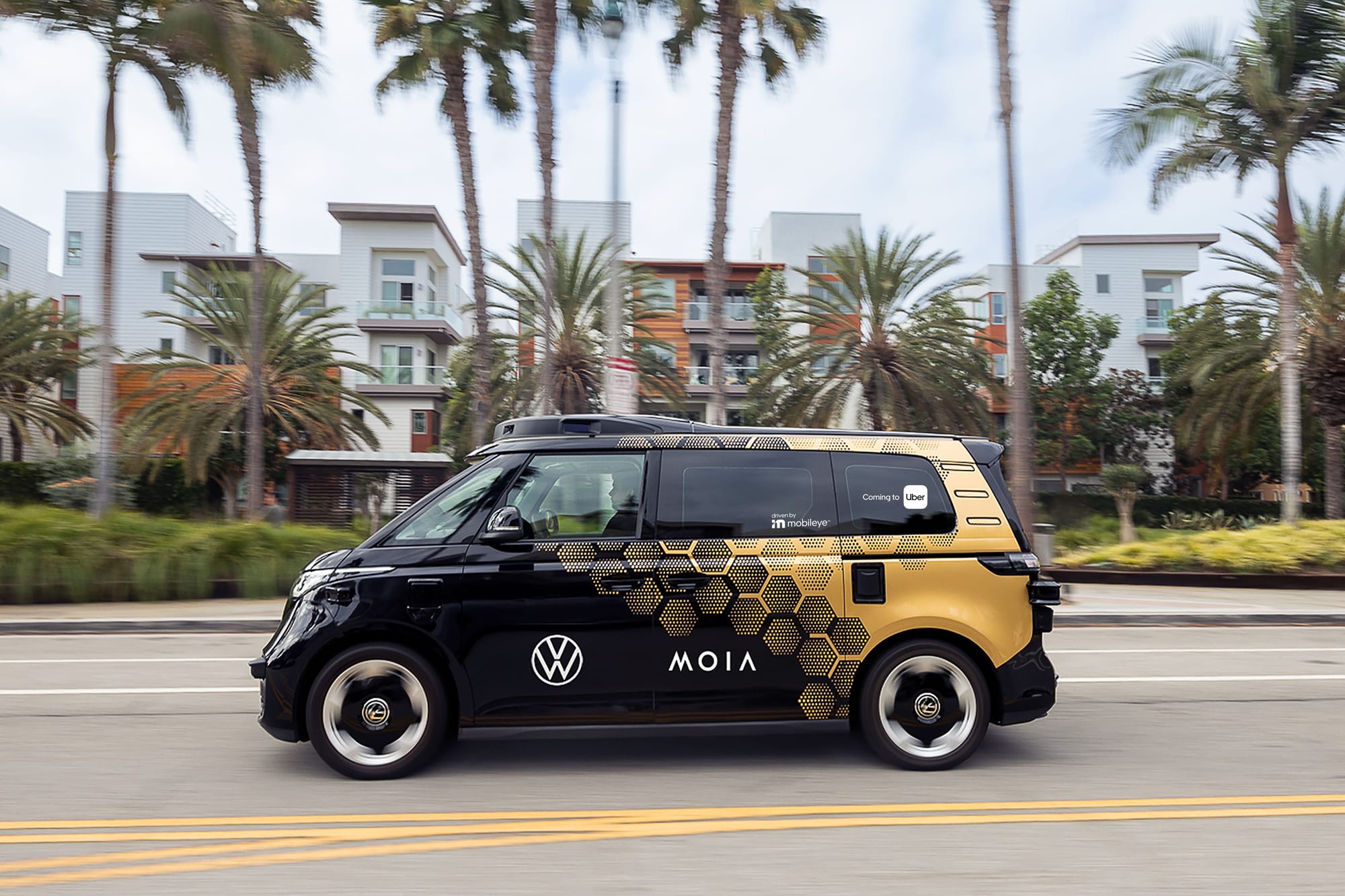
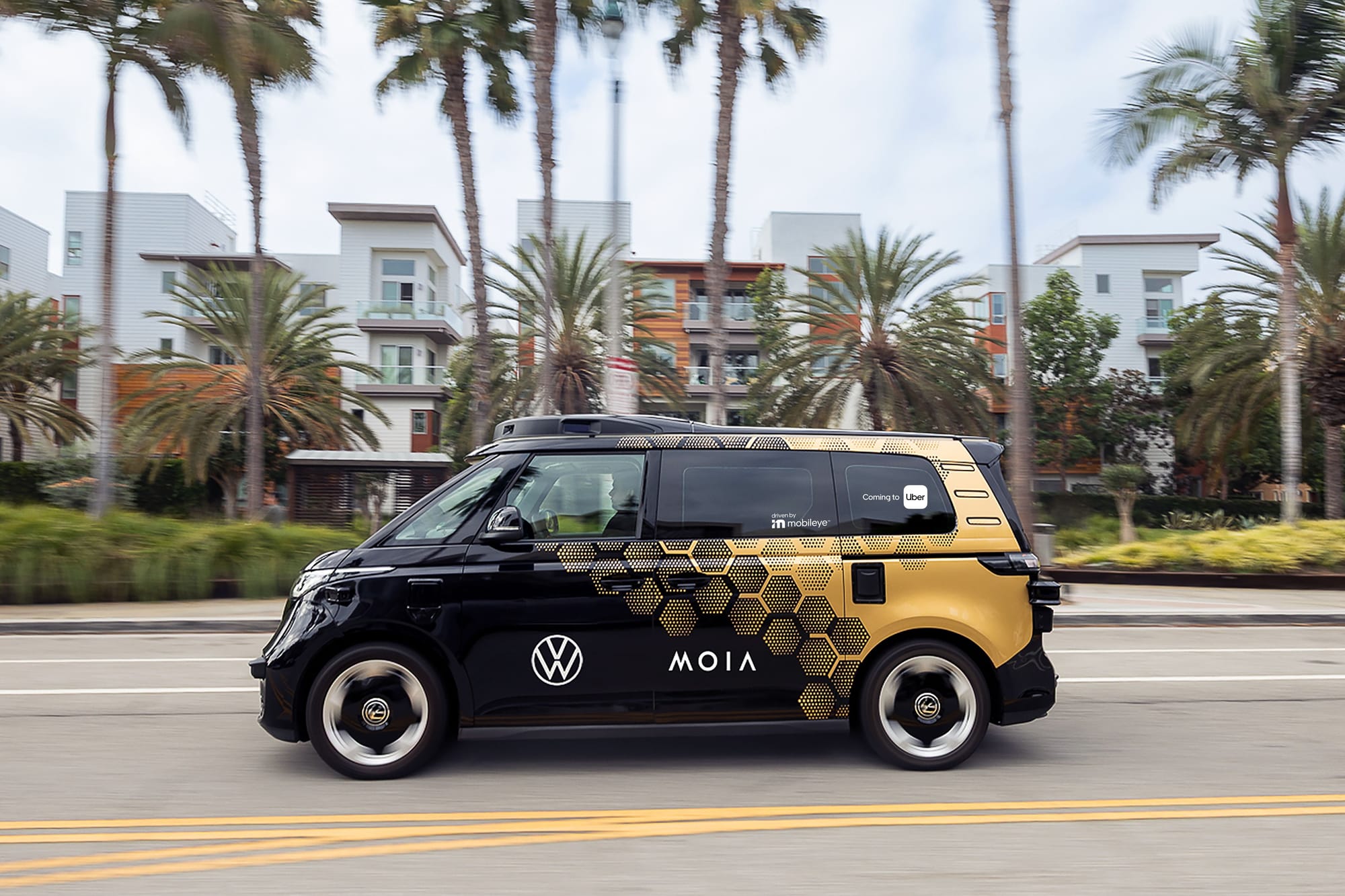
MOIA is not pitching anymore. It is entering the US rollout game.
MOIA America and Uber have started on-road validation testing of autonomous ID. Buzz vehicles in Los Angeles. MOIA says the validation fleet is planned to scale to more than 100 vehicles, with rides on Uber expected by the end of 2026. That makes this one of the clearest signs yet that a European operator model is trying to enter the US market with a real rollout path.
Source: https://www.moia.io/en/news/moia-america-autonomous-id-buzz-on-uber-platform-in-la-2026
PUBLIC TRANSPORT / ÖPNV
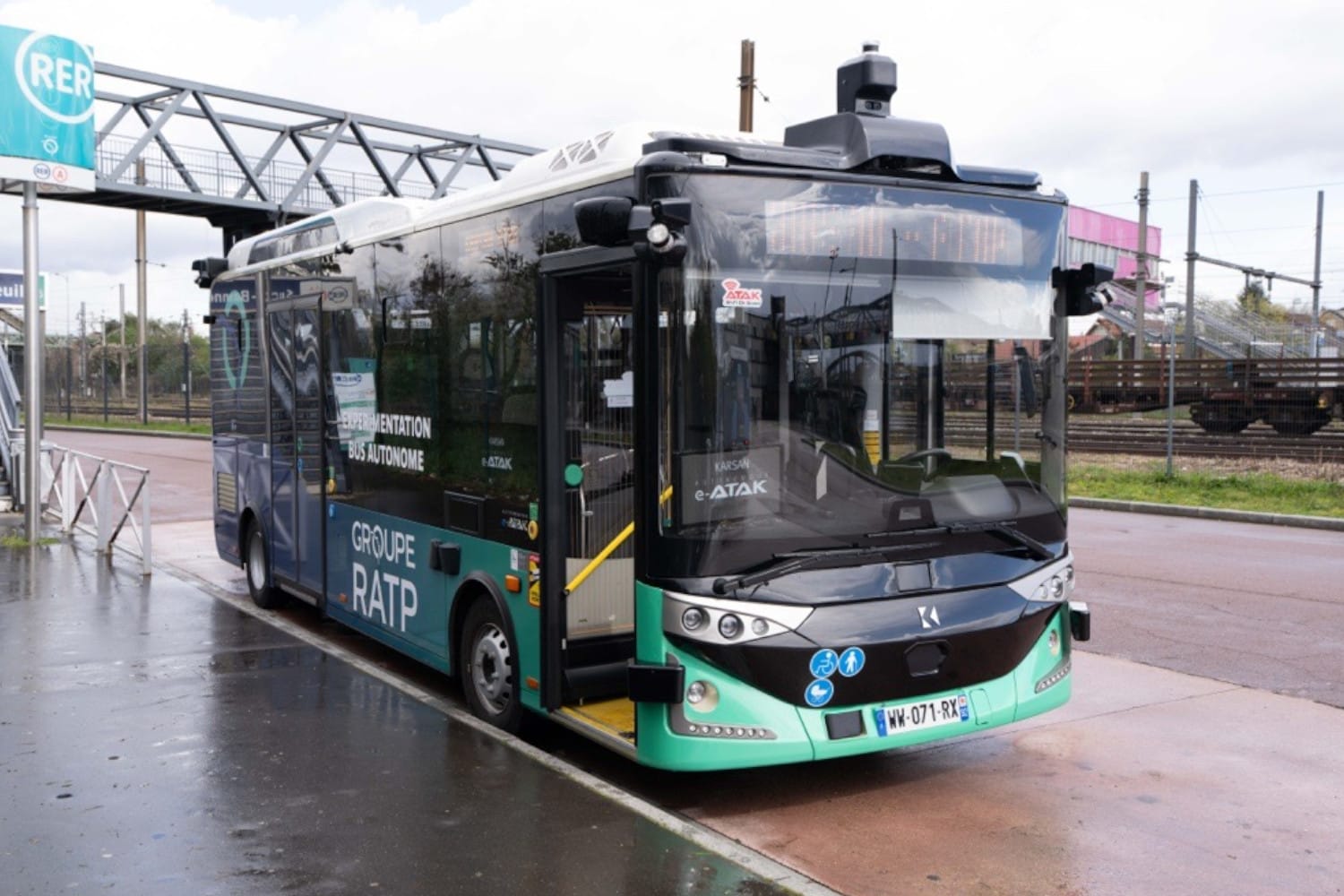
The real AV stress test is not the robotaxi. It is the bus.
Karsan’s autonomous e-ATAK has completed a six-month test project in Paris with RATP. The vehicle covered around 3,000 kilometres under real urban conditions and received approval for autonomous operation in open traffic in France. That is more than a polished pilot story. Public transport forces autonomy to prove itself inside operational reality.
BOTTOM LINE
Autonomy is speeding up. Operations is still the bottleneck.
More services are opening. More approvals are arriving. More fleets are expanding. But the deeper pattern has not changed: the winners will not be decided by software alone. They will be decided by who can combine approvals, supervision logic, operational discipline and stable day-to-day execution.
DEUTSCHE VERSION
Autonomous Mobility Briefing #7
Der Rollout ist real. Der Schwachpunkt bleibt der Betrieb. Autonome Mobilität gewinnt wieder an Tempo.
Aber die eigentliche Geschichte ist nicht einfach bessere Software.
Es geht um Rollout, Genehmigungen, Flottenbetrieb und operative Stabilität.
NEU AUF DEM KANAL
Zwei neue Videos. Eine klare Aussage: Autonomie verlässt die Demo-Phase.
Mein erstes neues Video erklärt autonomes Fahren kurz und verständlich ohne Fachsprache.
Das zweite zeigt, warum 500.000 bezahlte Fahrten pro Woche bei Waymo und 3,4 Millionen fahrerlose Fahrten in einem Quartal bei Baidu bedeuten, dass der Robotaxi-Markt den Bereich der Demo verlässt und in die kommerzielle Realität kippt.
GLOBAL
Waymo wächst weiter. Jetzt will der Markt sehen, ob Größe auch stabil hält.
Waymo hat zusammen mit Lyft den Robotaxi-Dienst in Nashville geöffnet. Genau das ist relevant. Der Markt diskutiert nicht mehr nur, ob autonomes Ride-Hailing grundsätzlich möglich ist. Die eigentliche Frage ist jetzt, ob Betreiber Stadt für Stadt skalieren können, ohne an Zuverlässigkeit, Qualität und operativer Kontrolle zu verlieren.
Quelle: https://techcrunch.com/2026/04/07/waymo-opens-robotaxi-service-in-nashville-partners-with-lyft/
China zeigt die harte Wahrheit: Große Flotten können trotzdem schnell scheitern.
Ein Systemausfall in Wuhan hat laut Reuters dazu geführt, dass mehr als 100 Apollo-Go-Robotaxis von Baidu auf der Straße stehenblieben. Verletzte gab es nicht. Die Aussage ist trotzdem klar: Skalierung allein reicht nicht. Operative Robustheit wird jetzt selbst zum Wettbewerbsfaktor.
EUROPA
Tesla hat in Europa grünes Licht bekommen. Aber das Risiko bleibt beim Fahrer.
Die niederländischen Behörden haben Teslas FSD Supervised für Autobahnen und Stadtstraßen freigegeben. Das ist die erste solche Zulassung in Europa nach mehr als 18 Monaten Tests. Das ist regulatorisch ein echter Schritt. Aber es bleibt fahrerüberwachte Assistenz. Der Mensch bleibt rechtlich verantwortlich.
DEUTSCHLAND
MOIA pitcht nicht mehr. MOIA geht in den US-Rollout.
MOIA America und Uber haben in Los Angeles On-Road-Validierungstests mit autonomen ID. Buzz gestartet. MOIA spricht davon, die Validierungsflotte auf mehr als 100 Fahrzeuge auszubauen; erste Fahrten über Uber sind für Ende 2026 geplant. Das ist eines der klarsten Signale bisher, dass ein europäisches Betreiber-Modell mit echtem Rollout-Pfad in den US-Markt drängt.
Quelle: https://www.moia.io/en/news/moia-america-autonomous-id-buzz-on-uber-platform-in-la-2026
ÖPNV
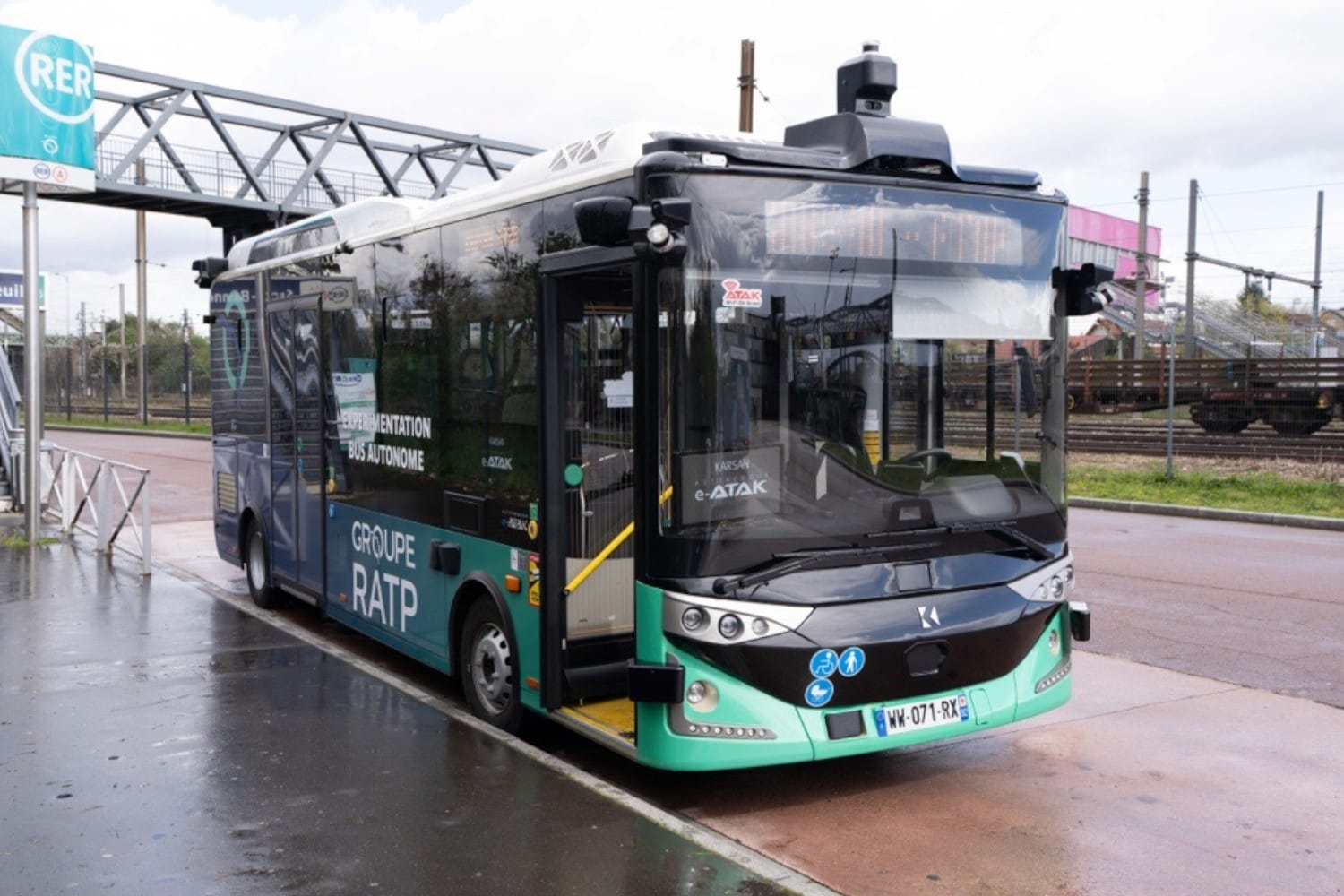
Der echte AV-Stresstest ist nicht das Robotaxi. Es ist der Bus.
Karsans autonomer e-ATAK hat in Paris zusammen mit der RATP einen sechsmonatigen Test abgeschlossen. Das Fahrzeug legte rund 3.000 Kilometer unter realen urbanen Bedingungen zurück und erhielt die Freigabe für autonomen Betrieb im offenen Verkehr in Frankreich. Das ist mehr als nur eine saubere Pilotmeldung. Im ÖPNV muss Autonomie im echten Betrieb bestehen.
FAZIT
Autonomie beschleunigt. Operations bleibt der Engpass.
Mehr Dienste gehen live. Mehr Genehmigungen kommen. Mehr Flotten wachsen. Aber das Grundmuster bleibt: Gewonnen wird nicht nur über Software. Gewonnen wird über Zulassung, Aufsichtslogik, Betriebsdisziplin und stabile tägliche Ausführung.
Thorsten Besendahl
Autonomous Mobility Briefing
Independent insights on robotaxi scaling, regulation and fleet economics in Europe.
Newsletter: https://autonomous-mobility-briefing.ghost.io/
LinkedIn: https://www.linkedin.com/in/thorsten-besendahl-5064615